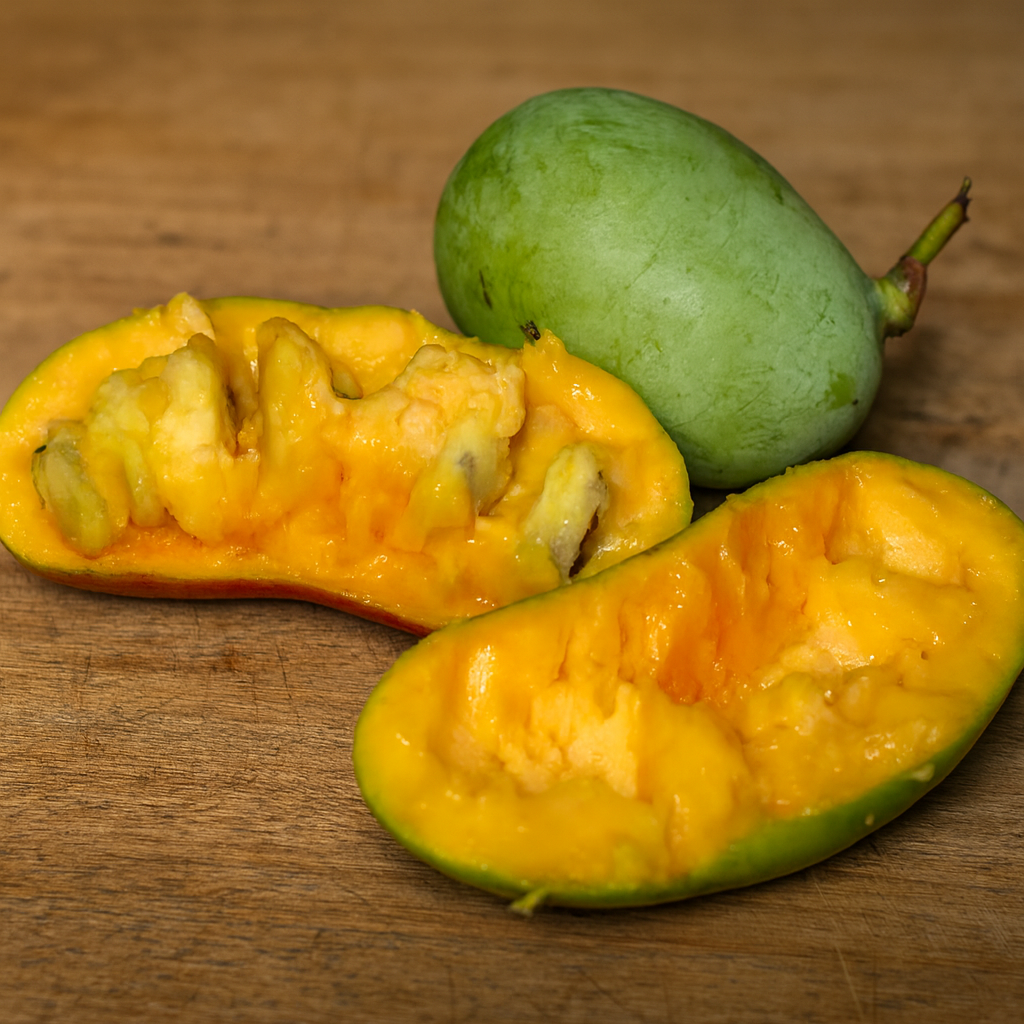
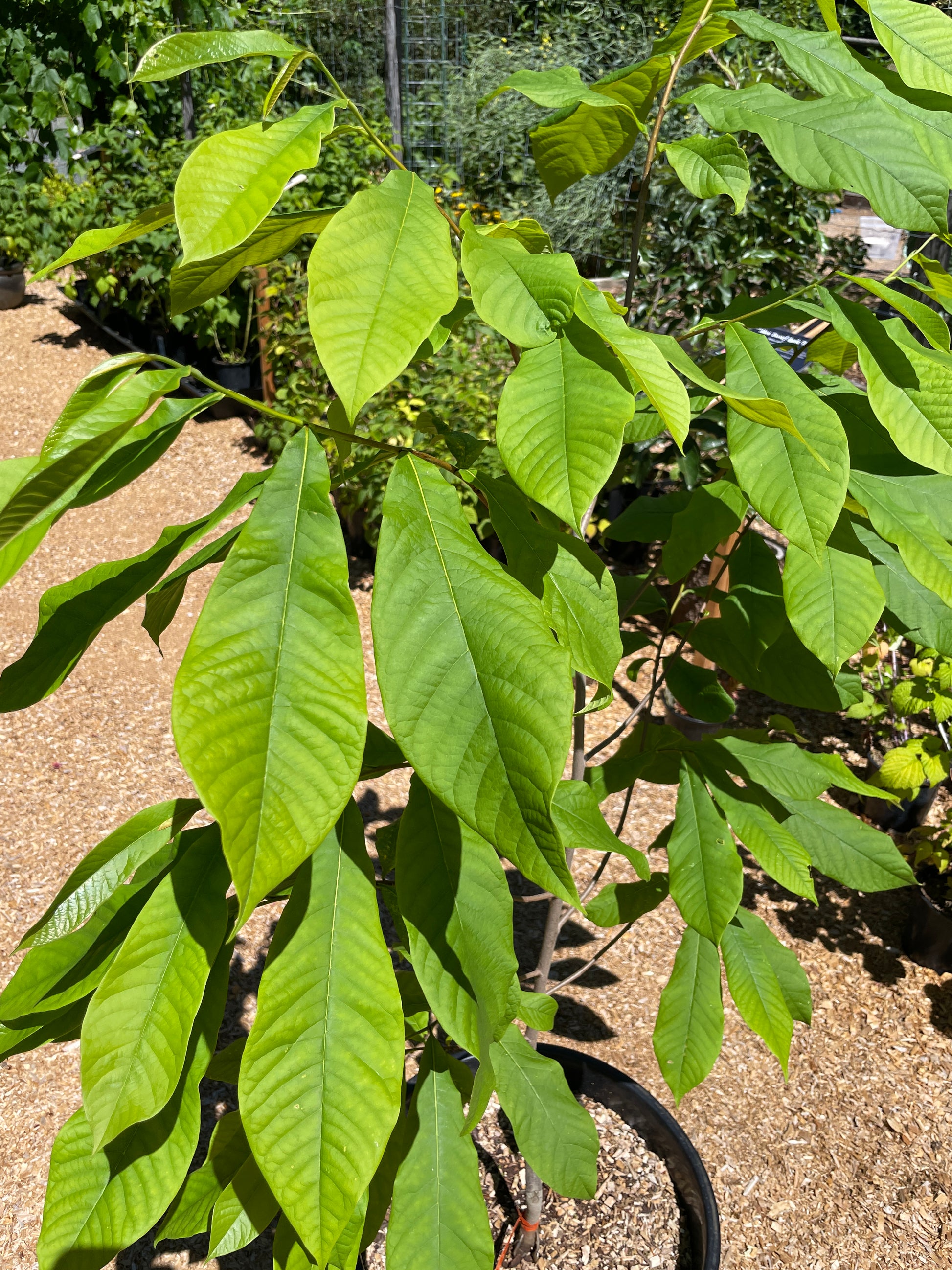
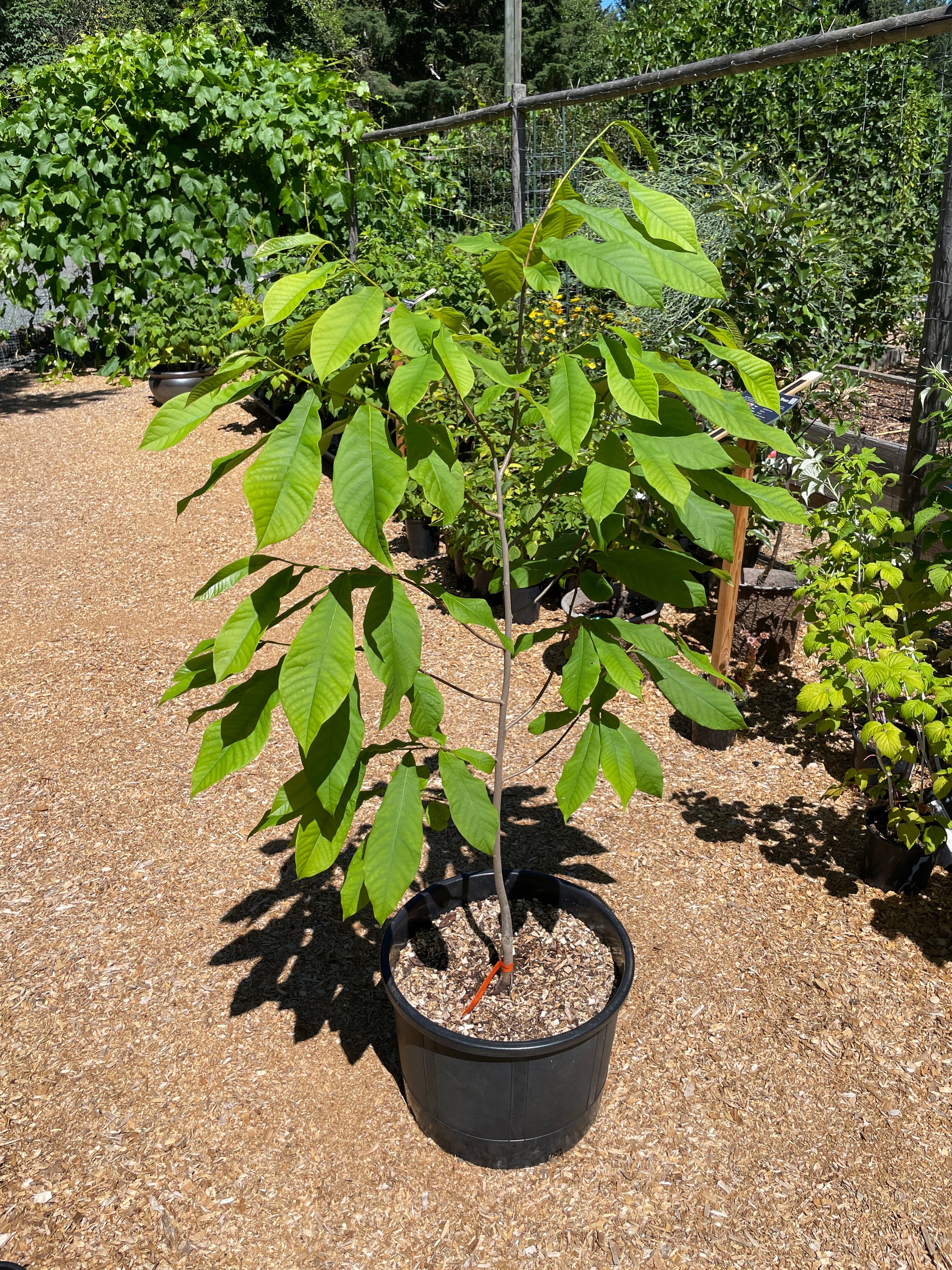
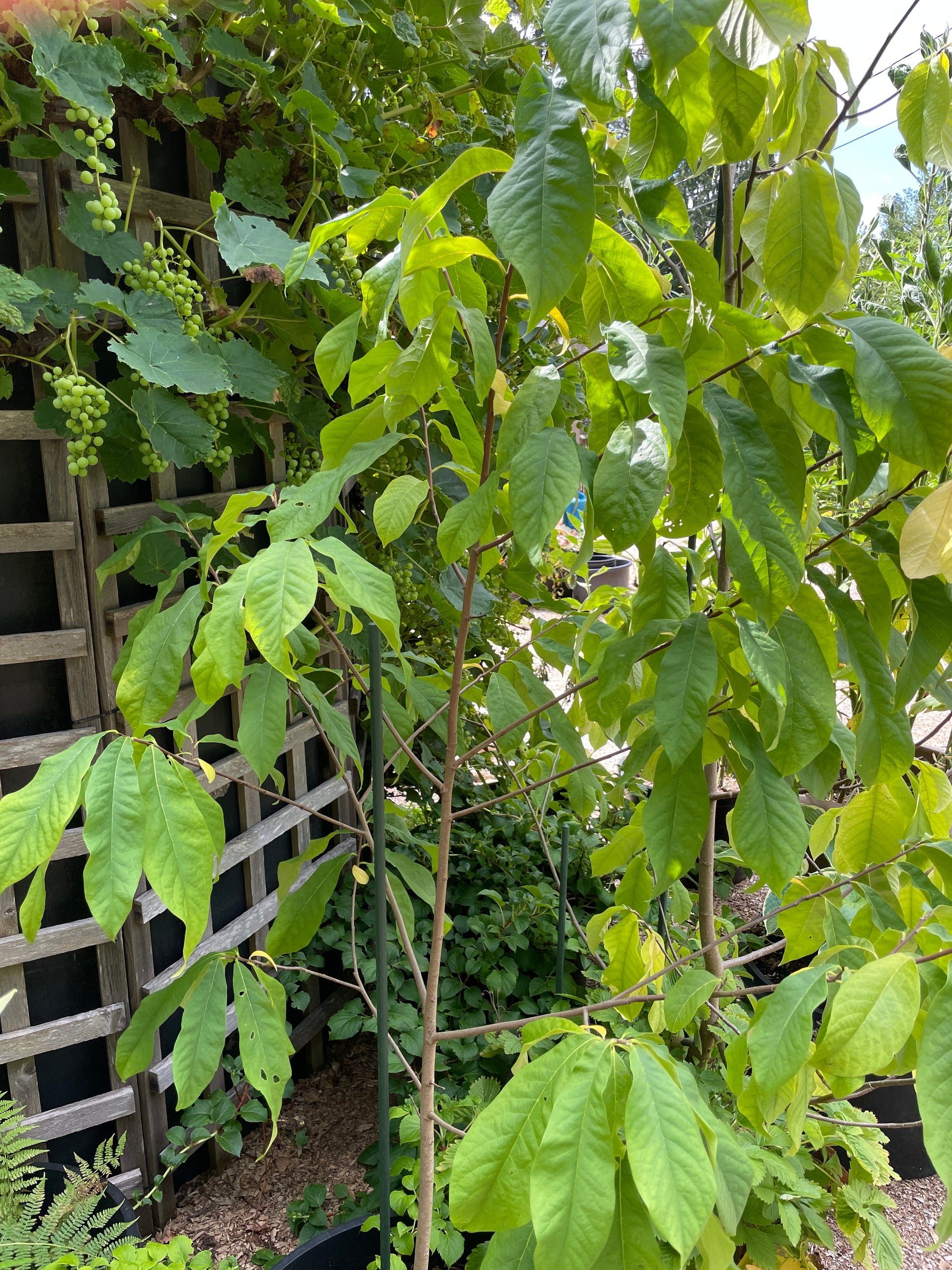
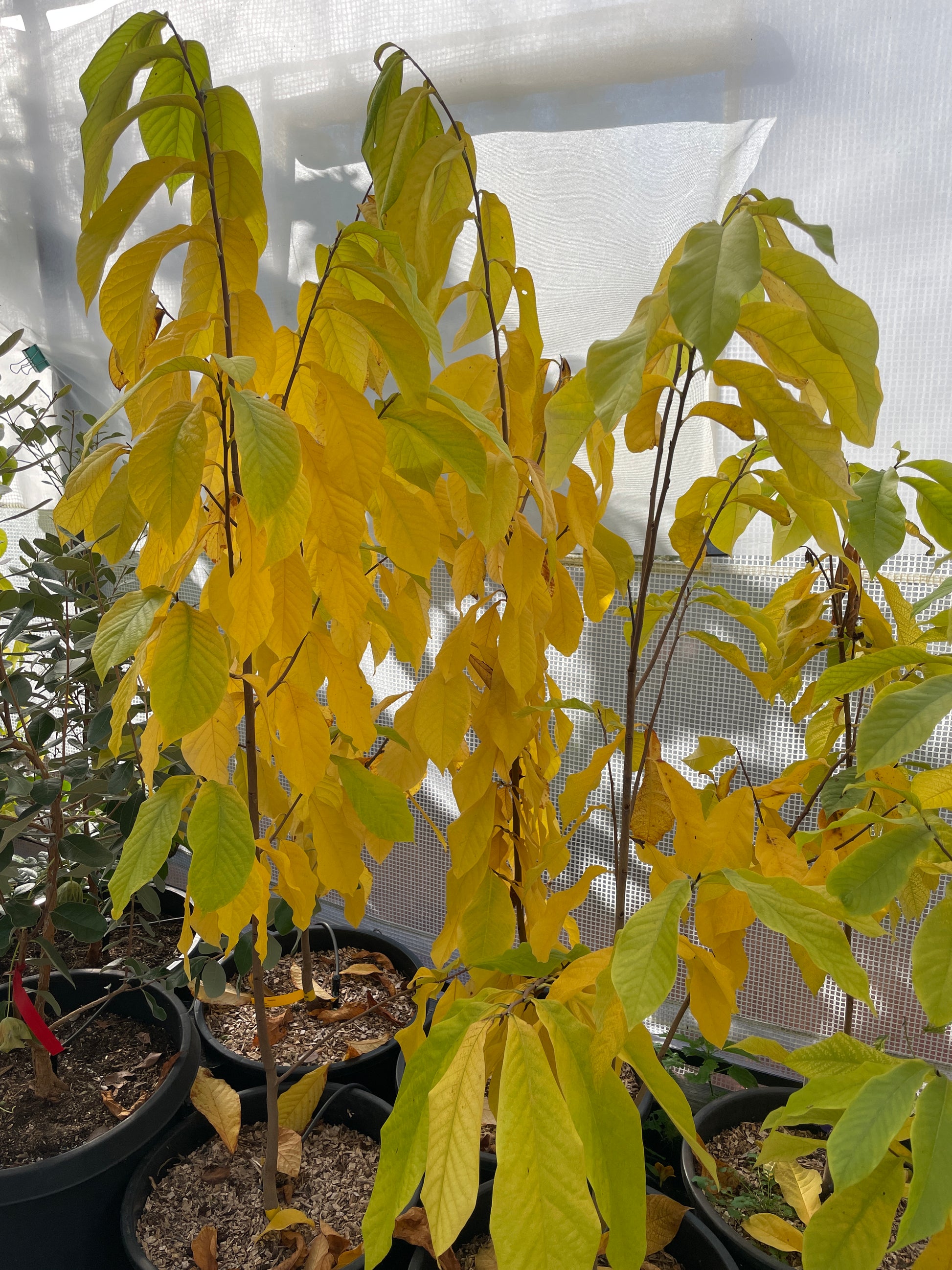
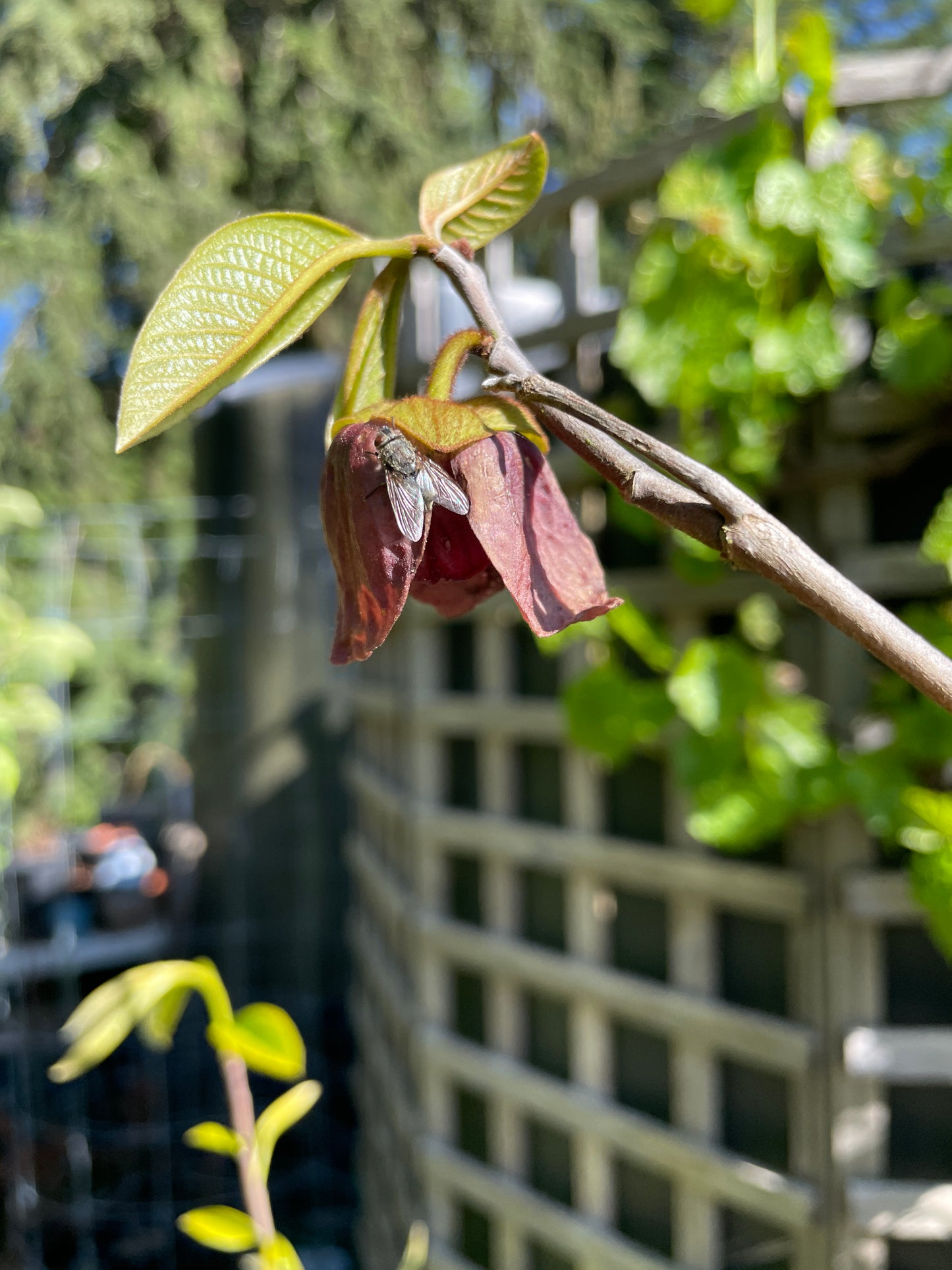
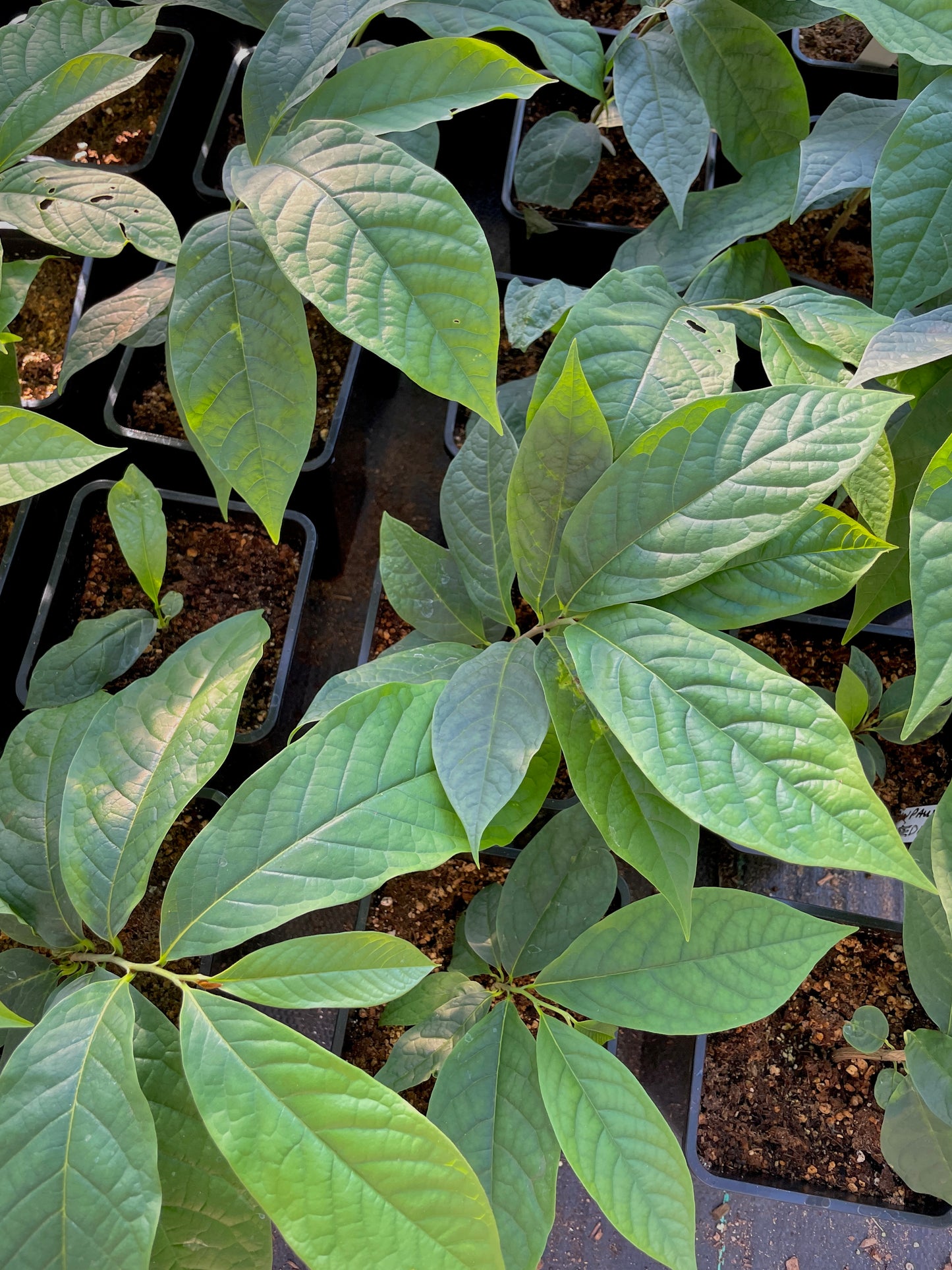
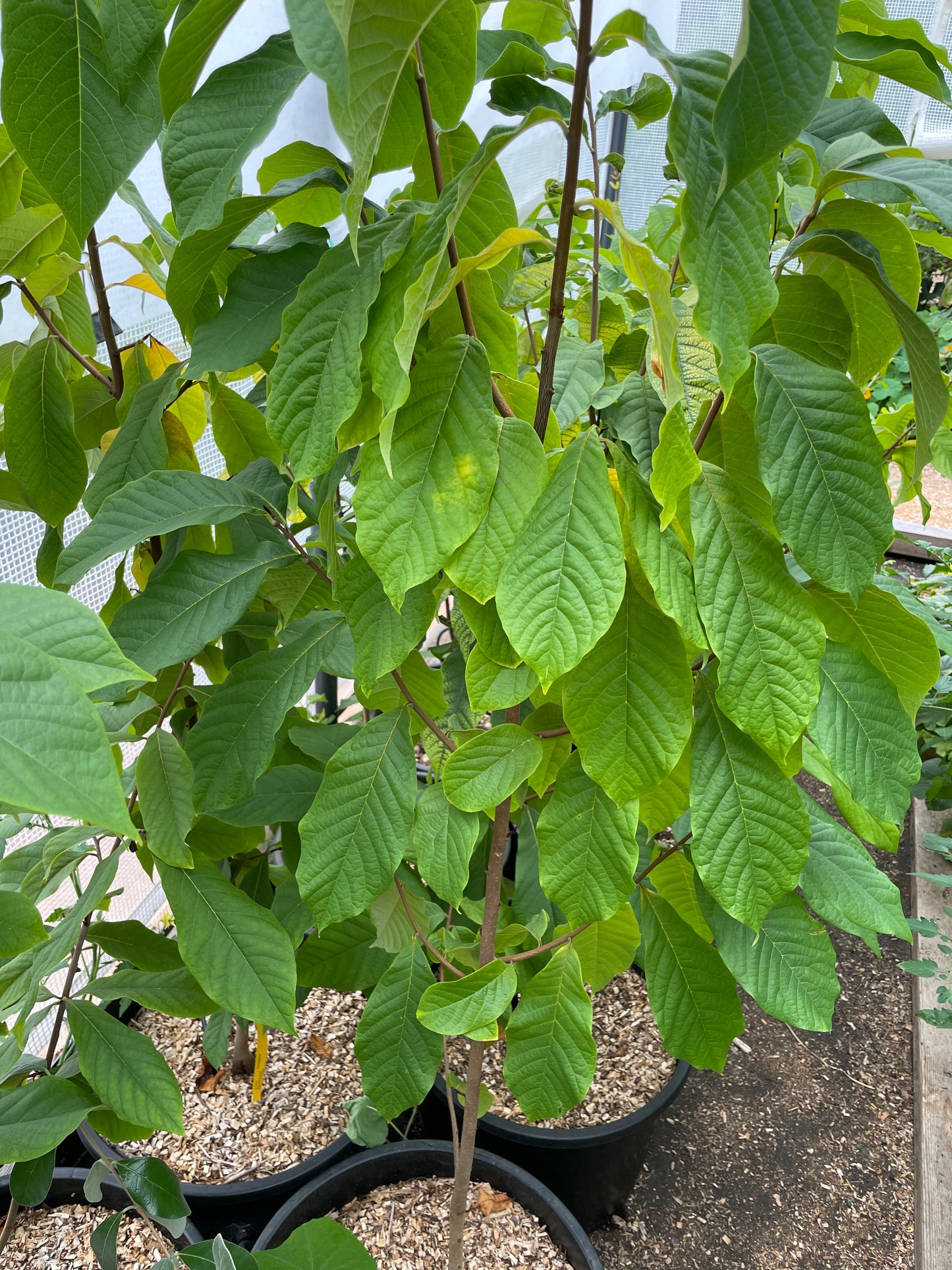
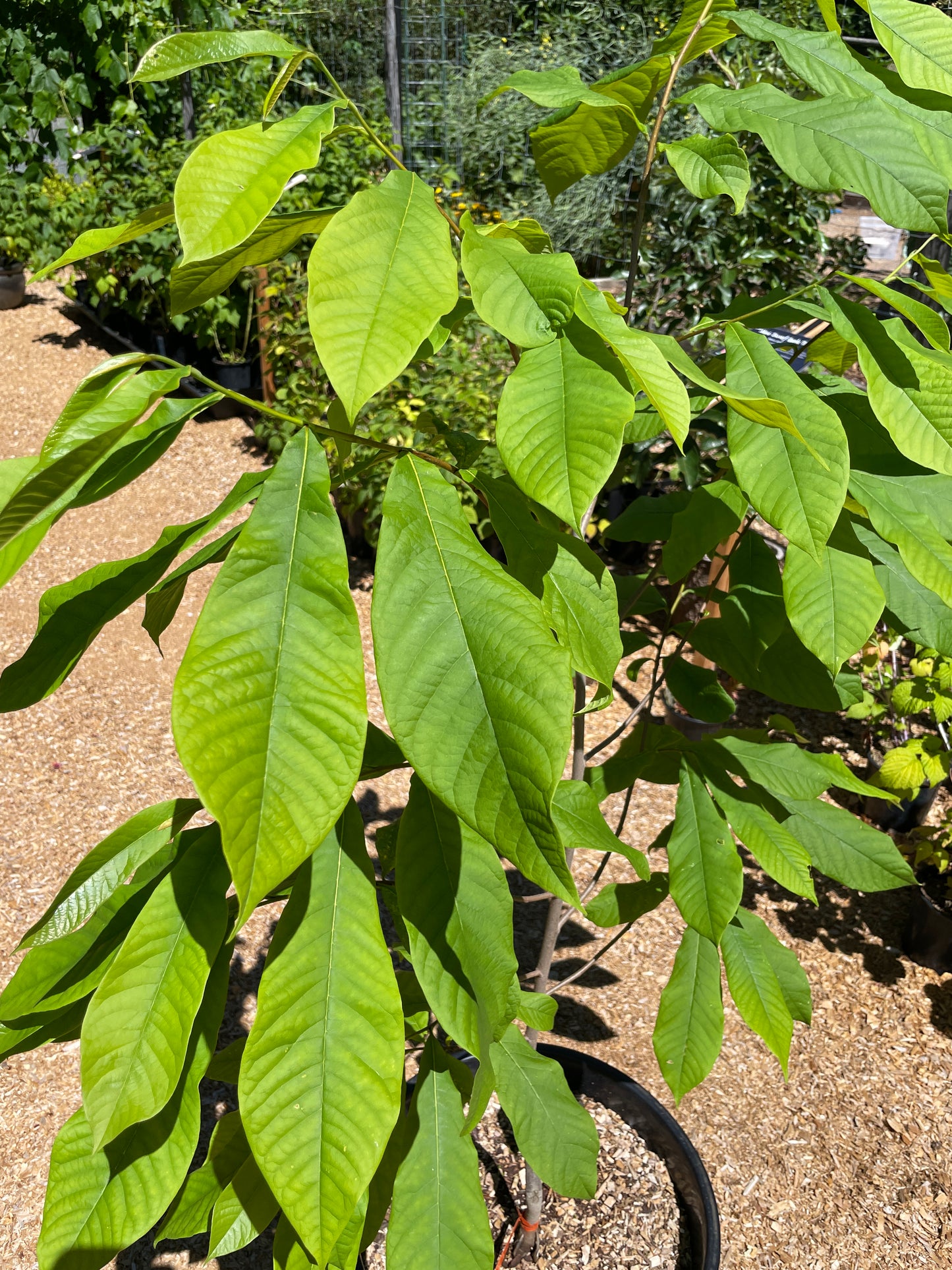
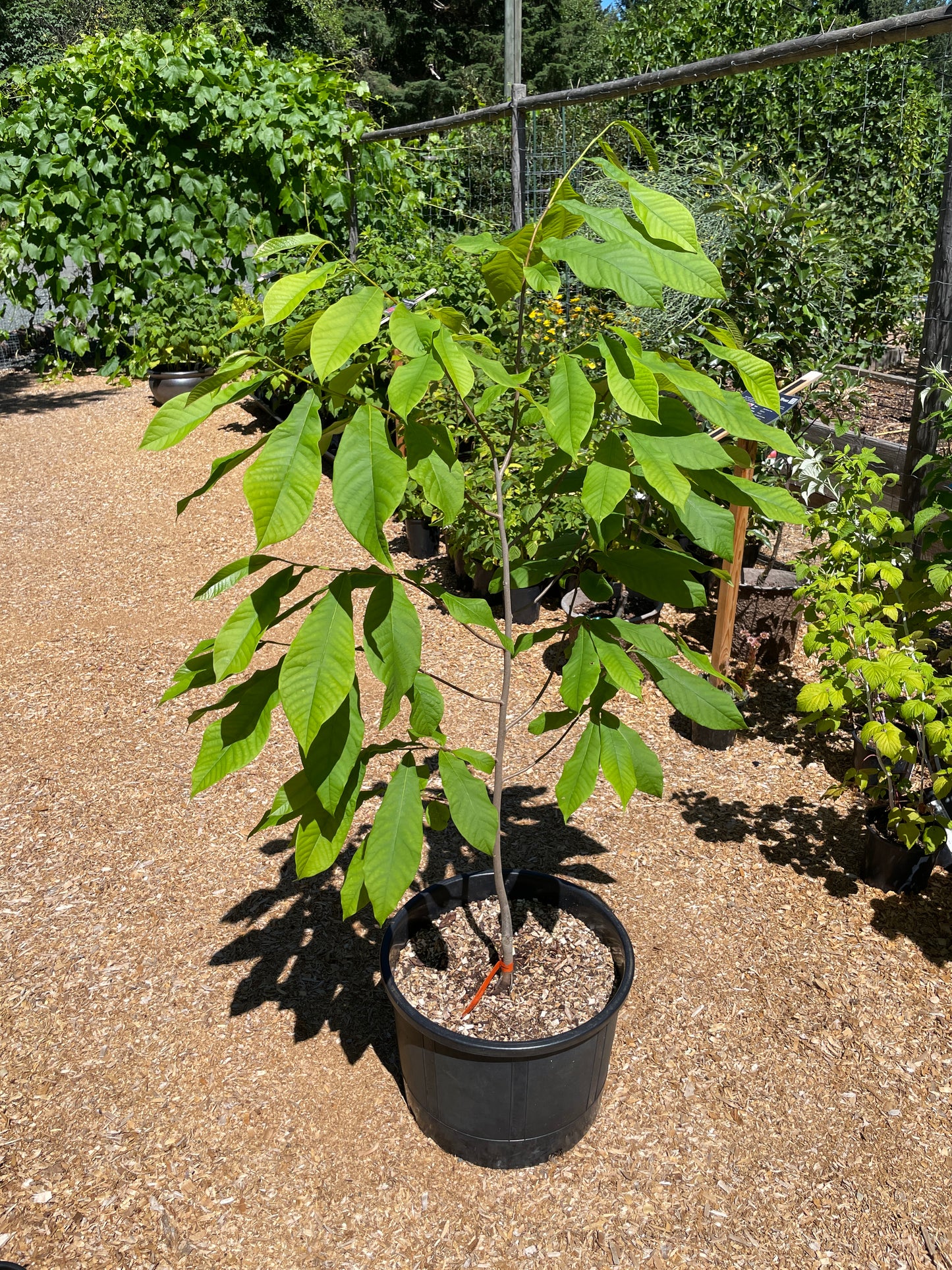
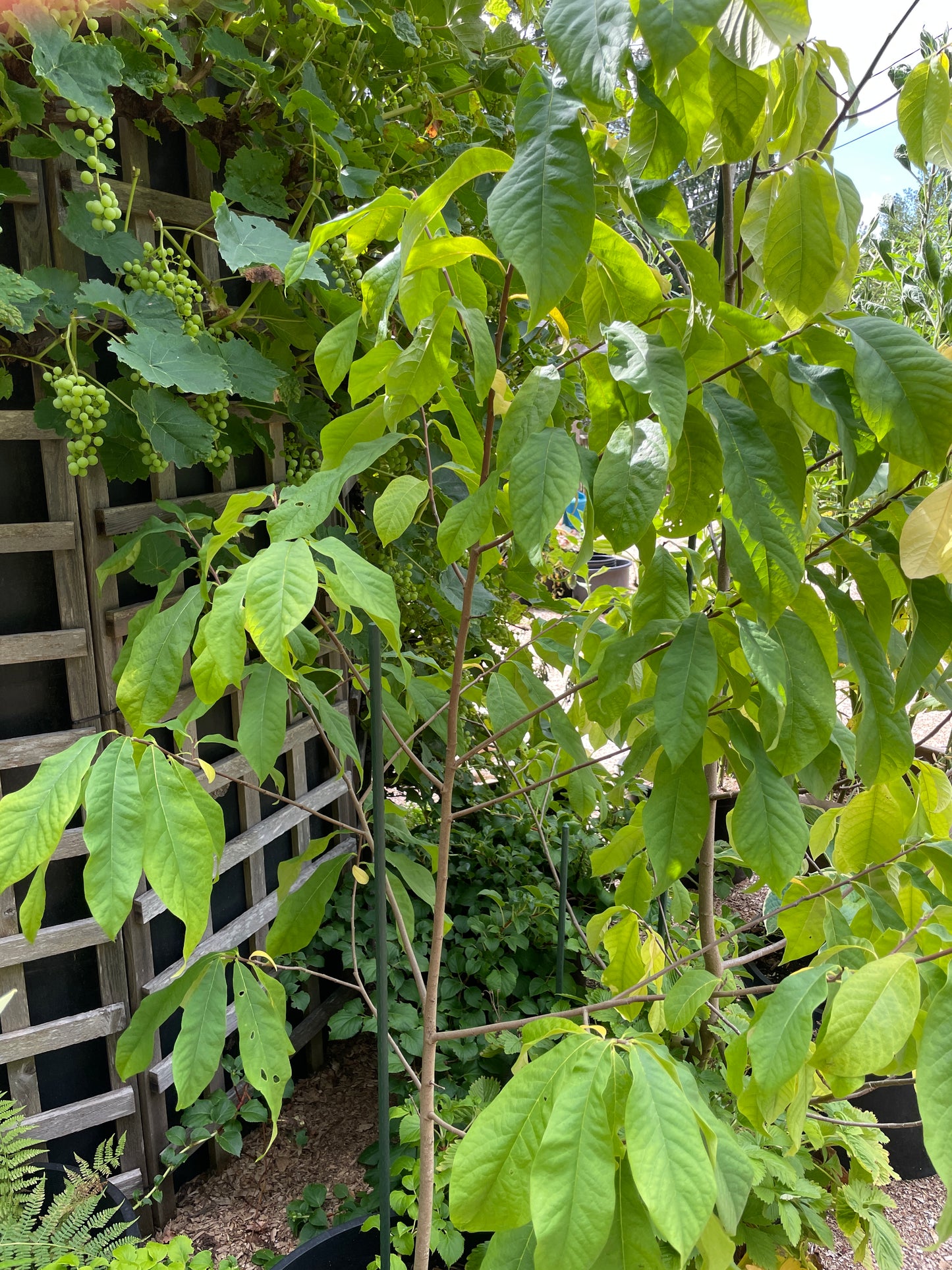
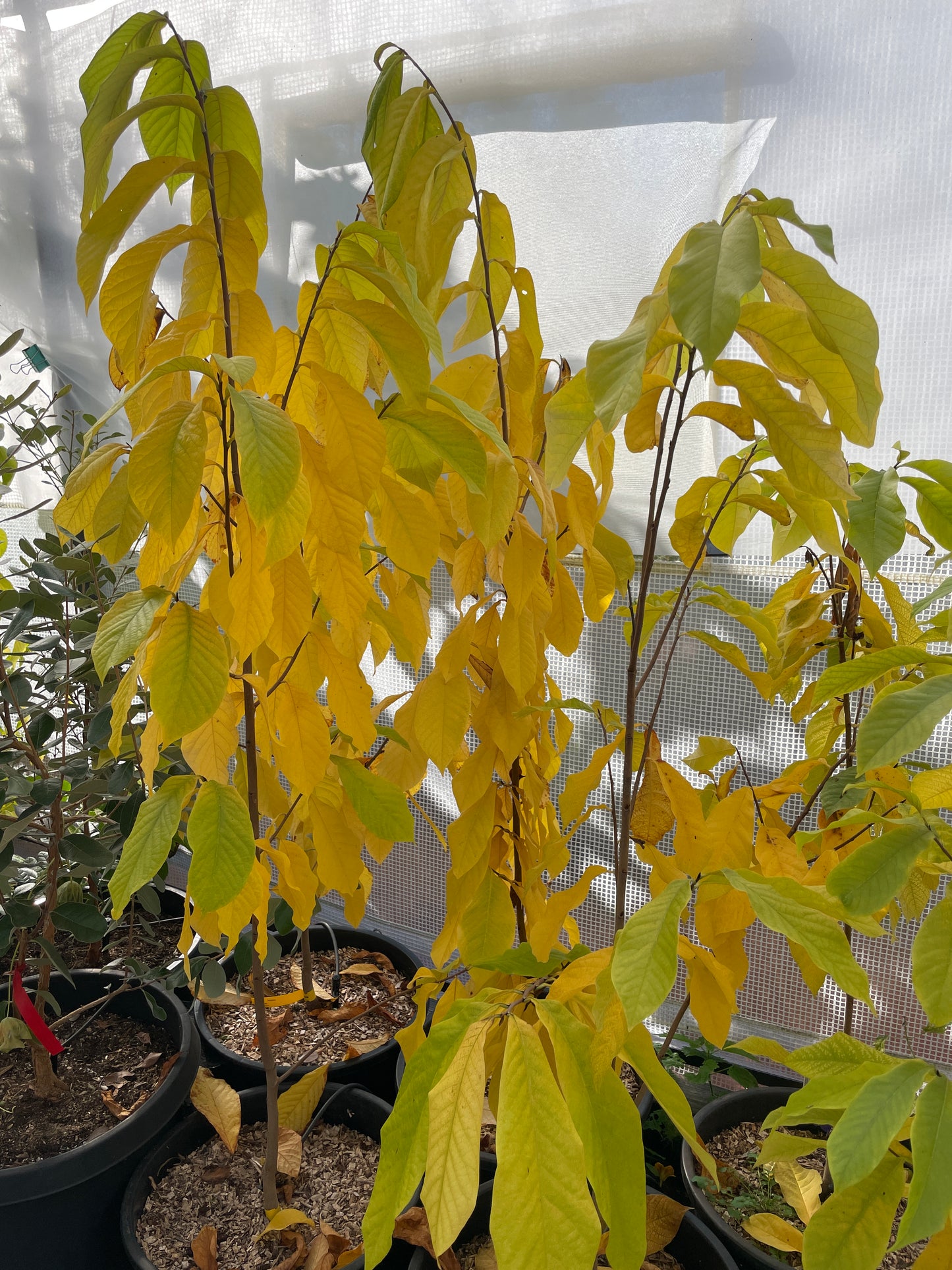
Potomac® Pawpaw (Asimina triloba) is one of the acclaimed Peterson Pawpaws, selected by pawpaw breeder Neal Peterson for its exceptional fruit quality. It produces large, attractive fruit with a very high proportion of edible pulp and relatively few seeds. The flesh is smooth and creamy with a rich, sweet flavour, making Potomac an excellent fresh-eating pawpaw. Fruit typically ripens in the mid to late pawpaw season, and the trees are productive.
Potomac originated as Peterson’s selection 4-2, an open-pollinated seedling of the historic Blandy Experimental Farm selection BEF-53. The original tree grew in Peterson's Orchard #2 in West Virginia, near the Potomac River, which inspired its name. Its maternal parent, BEF-53, came from the historic pawpaw collection at Blandy Experimental Farm in Virginia and is also the maternal parent of Susquehanna®.
WHAT ARE PAWPAW TREES?
Pawpaws are highly prized fruit trees. Often called a "tropical fruit for the north," pawpaws produce clusters of large, nutritious fruit 3–6 inches long with a custard-like texture and a flavour that's been compared to mango, banana, pineapple, and even vanilla custard.
Unlike most tropical relatives in the custard apple family, pawpaws are uniquely cold-hardy to -25ºC (-13ºF), thriving in Zones 5–8 and capable of handling Canadian winters in many regions. Pawpaws are native to eastern North American, including southern Ontario.
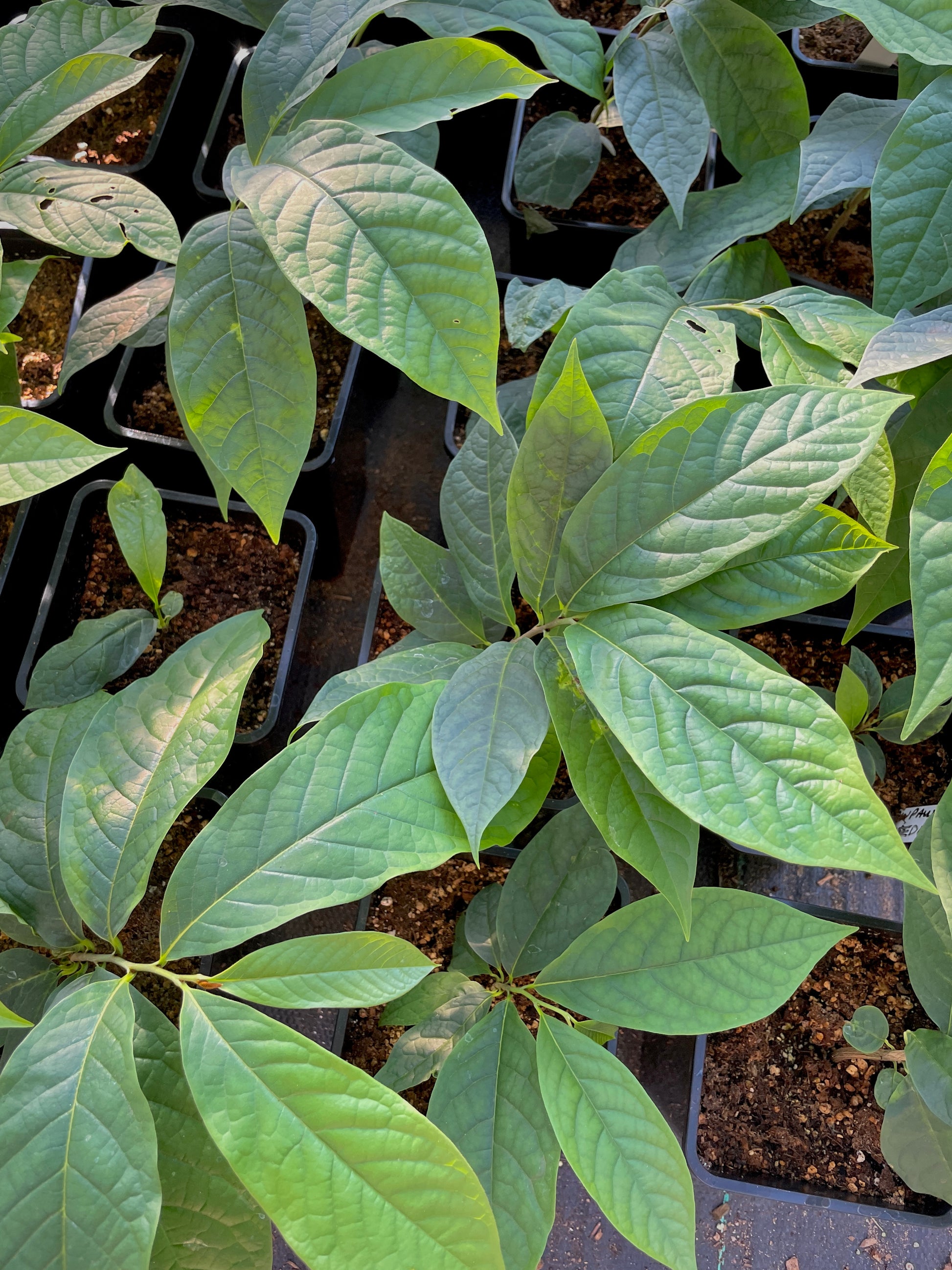
In nature, young pawpaw trees grow in the dappled shade of forest understories, gradually being exposed to increasing amounts of direct sunlight as they grow taller. Direct sunlight can injure young pawpaws, so it’s best to provide shade for the tree's first 2 years of life — whether by keeping it potted in the shade, planting behind a fence, in a large tree tube, or using a temporary shade screen. Trees purchased 5.5" band pots and 1-gallon pots will need one more year of shade. Plants in 2-gallon pots and larger will be old enough for full sun, assuming they started the year in full sun. Moving from shade to sun during the summer is not advisable.
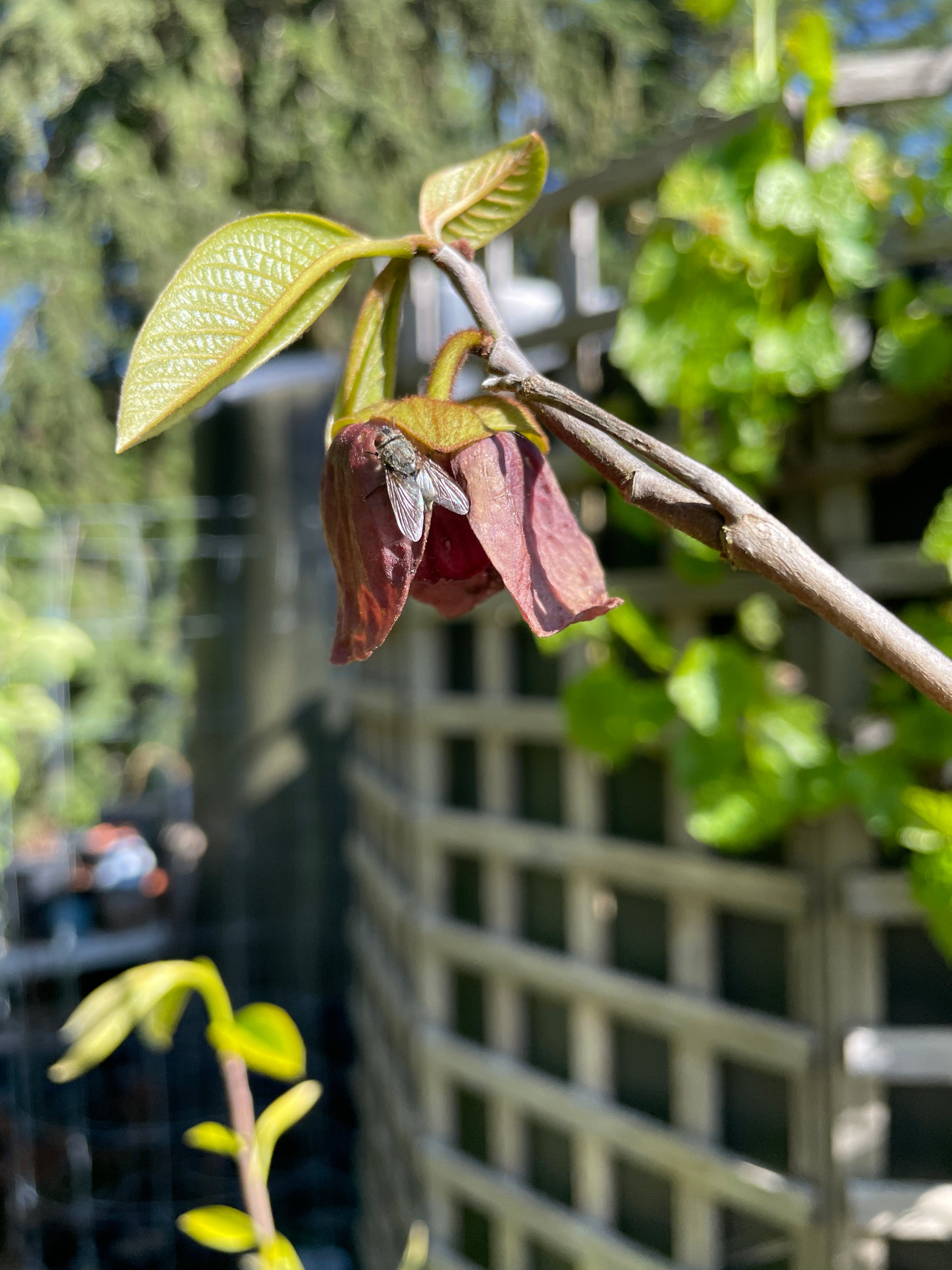
Most pawpaws require cross-pollination with a different pawpaw cultivar, or a seed-grown pawpaw. Seed-grown pawpaws are all genetically unique, so you can have two seedlings pollinate each other, or one seedling and one cultivar, or two cultivars. Named cultivars are grafted and selected for their exceptional fruit quality and yield. With seed-grown pawpaws, fruit is usually smaller and quality can vary widely.
With an ever-growing, cult-like following, pawpaws reward growers with one of the rarest, largest and most delicious fruits you can grow in a northern garden.
Common names: Potomac® Pawpaw, Potomac® Paw Paw
Edible: Fruit
Harvest timing: Mid- to late-season (October)
Scientific name: Asimina triloba 'Potomac'
Light requirements: Shade for the first 2 years, then full sun (6+ hours) the rest of its life
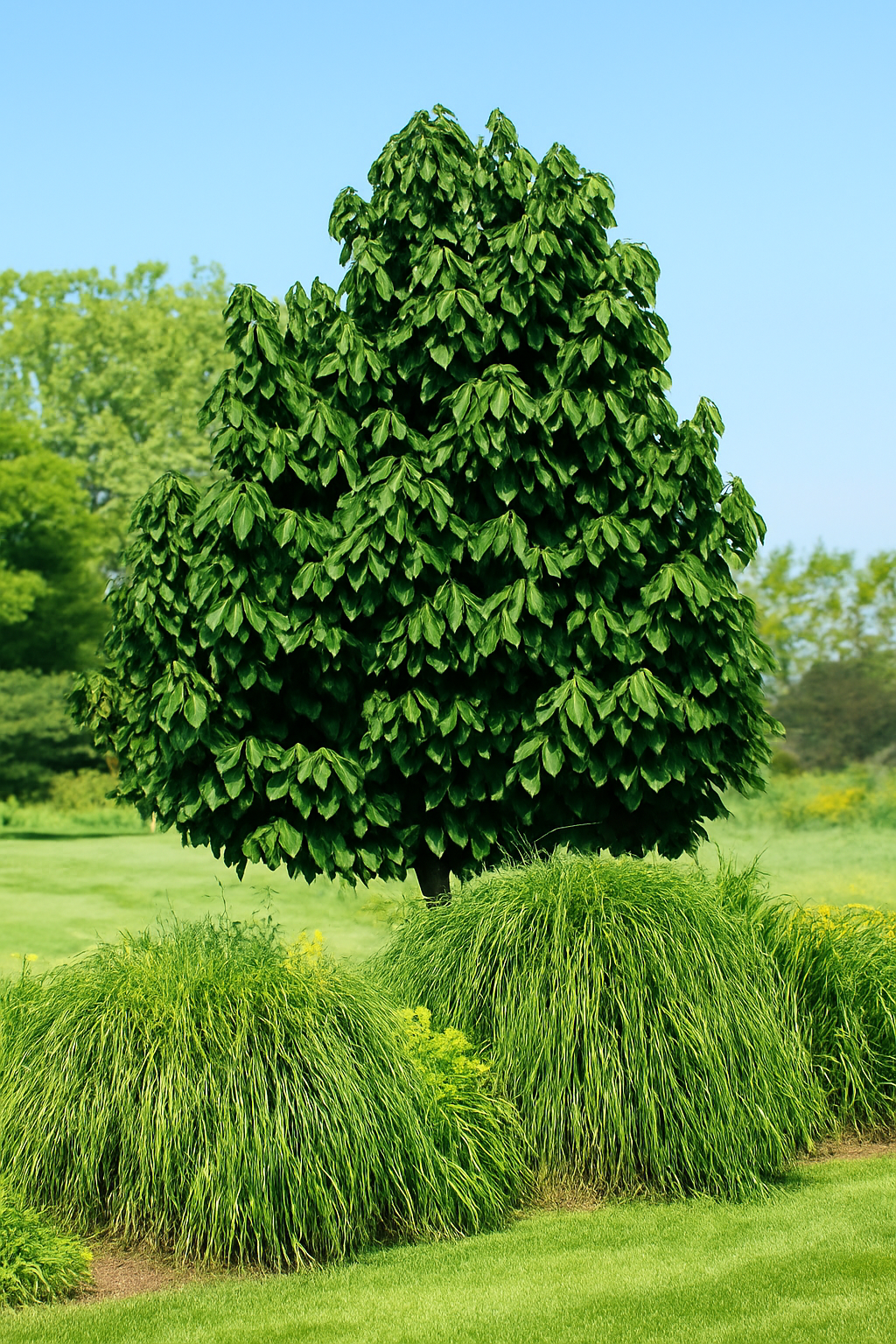
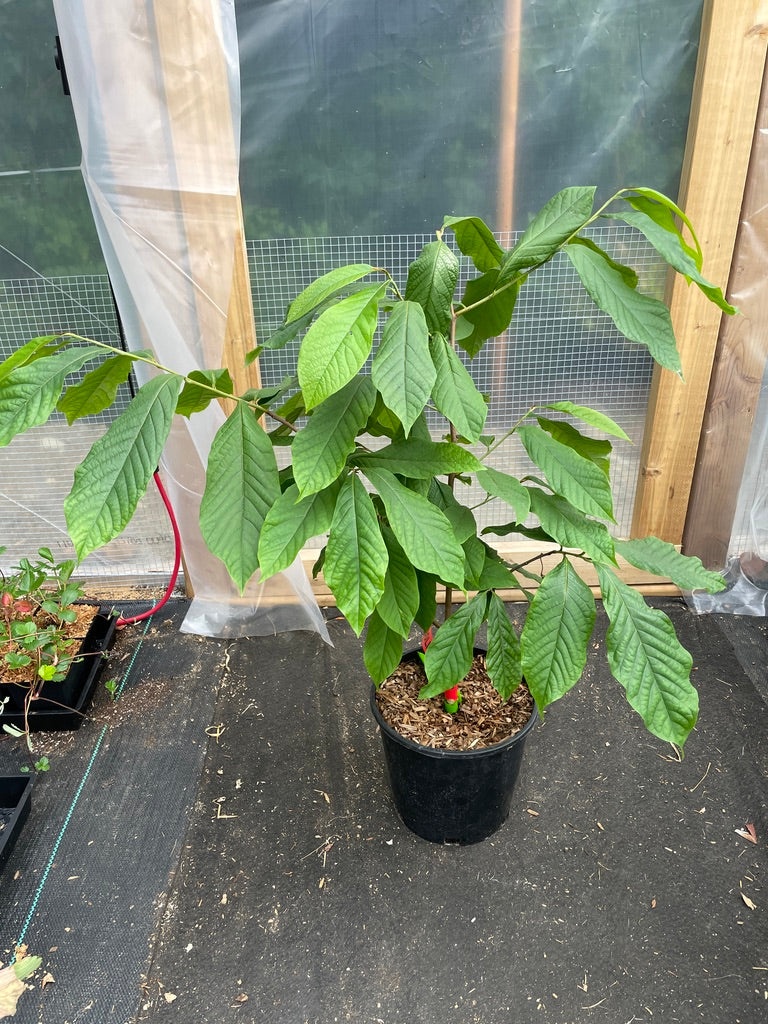
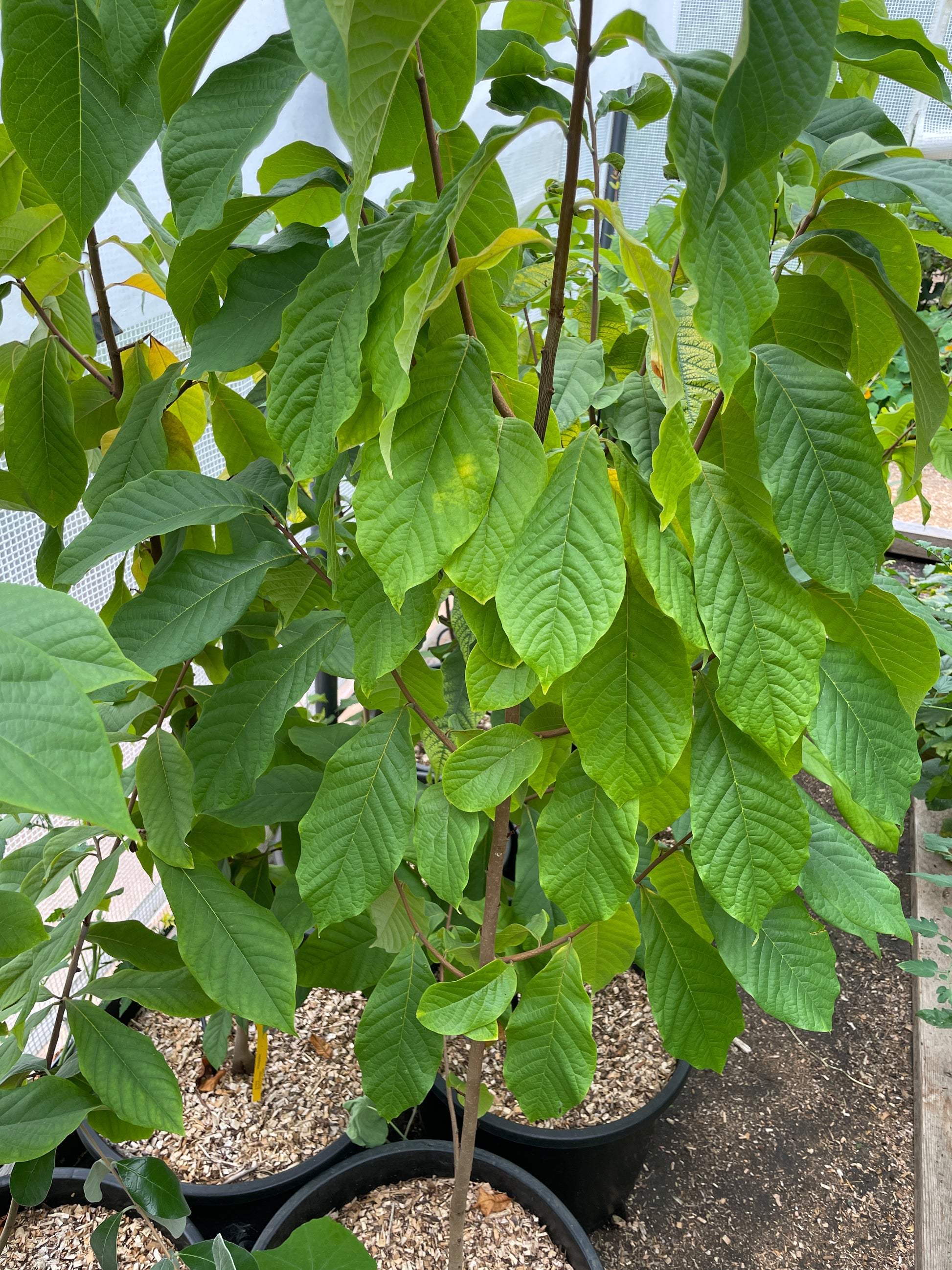
Full-grown size: 12-15' tall, with a natural pyramidal shape requiring very little pruning
Hardiness: Zone 5
Pollination: Requires cross-pollination with a different named cultivar or a seed-grown pawpaw.
Wildlife: Deer resistant leaves; fruit is attractive to wildlife.
Origin: Species is native to eastern North America. Cultivar developed by pawpaw breeder Neal Peterson in West Virginia, USA.
Noteworthy: You will probably never taste one unless you grow one! The fruit bruises easily so they are not shipped to grocery stores.